Important vs urgent: what small business really teaches
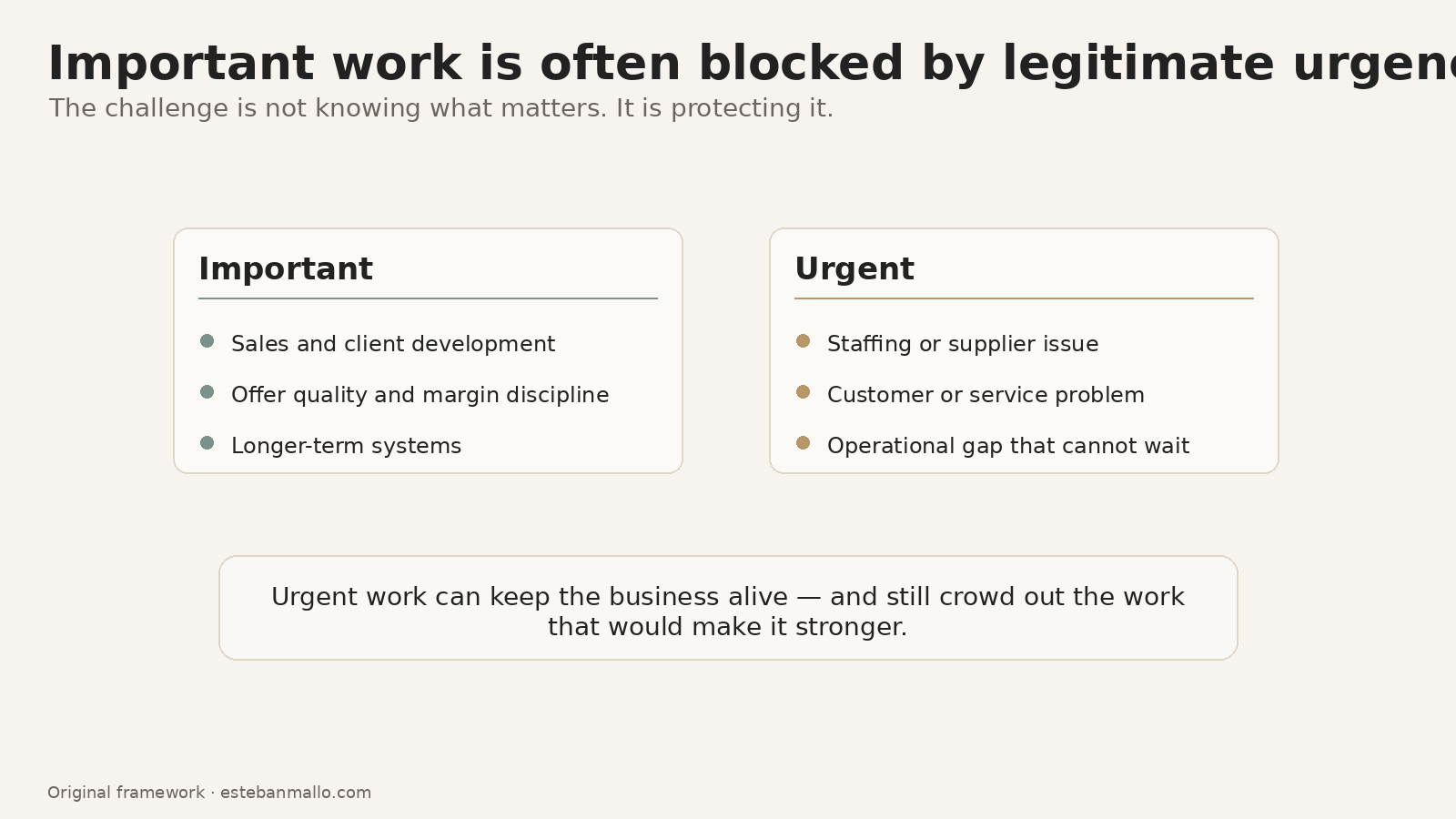
Most people know the theory of important versus urgent. The difficulty is not theoretical. It is practical. In a small business, the important work is often obvious: sales, client development, offer quality, margin discipline or longer-term systems. But the urgent work is also real. The problem is not that founders do not know what matters. … Read more
Automation is not always leverage

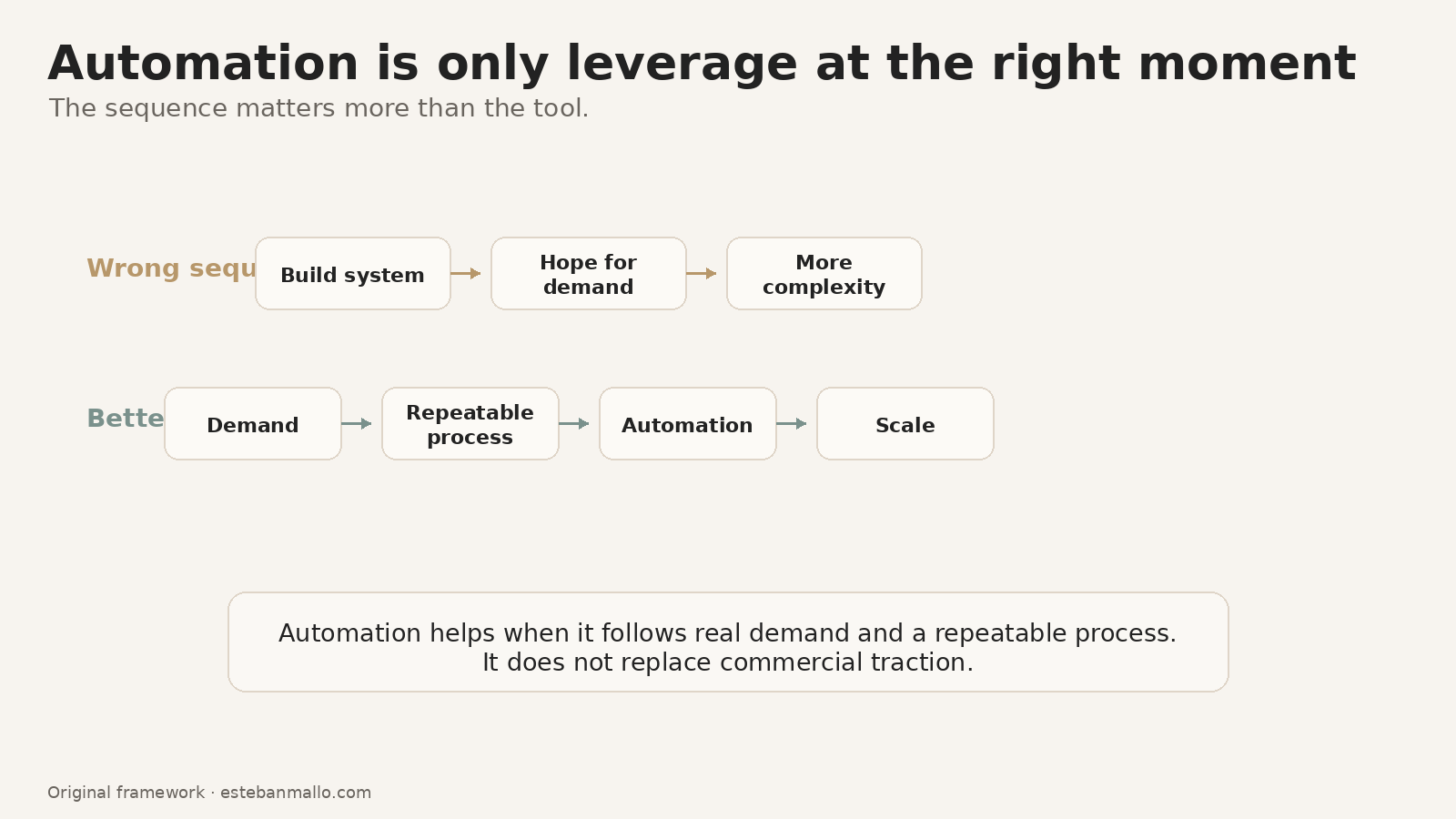
Automation is often treated as an automatic good. In reality, automation is only leverage when the timing, resources and commercial priorities are right. One of the easiest mistakes in small businesses is to build systems too early. If demand is still uncertain, if the offer is still moving and if the team is still solving … Read more

Execution is becoming underrated

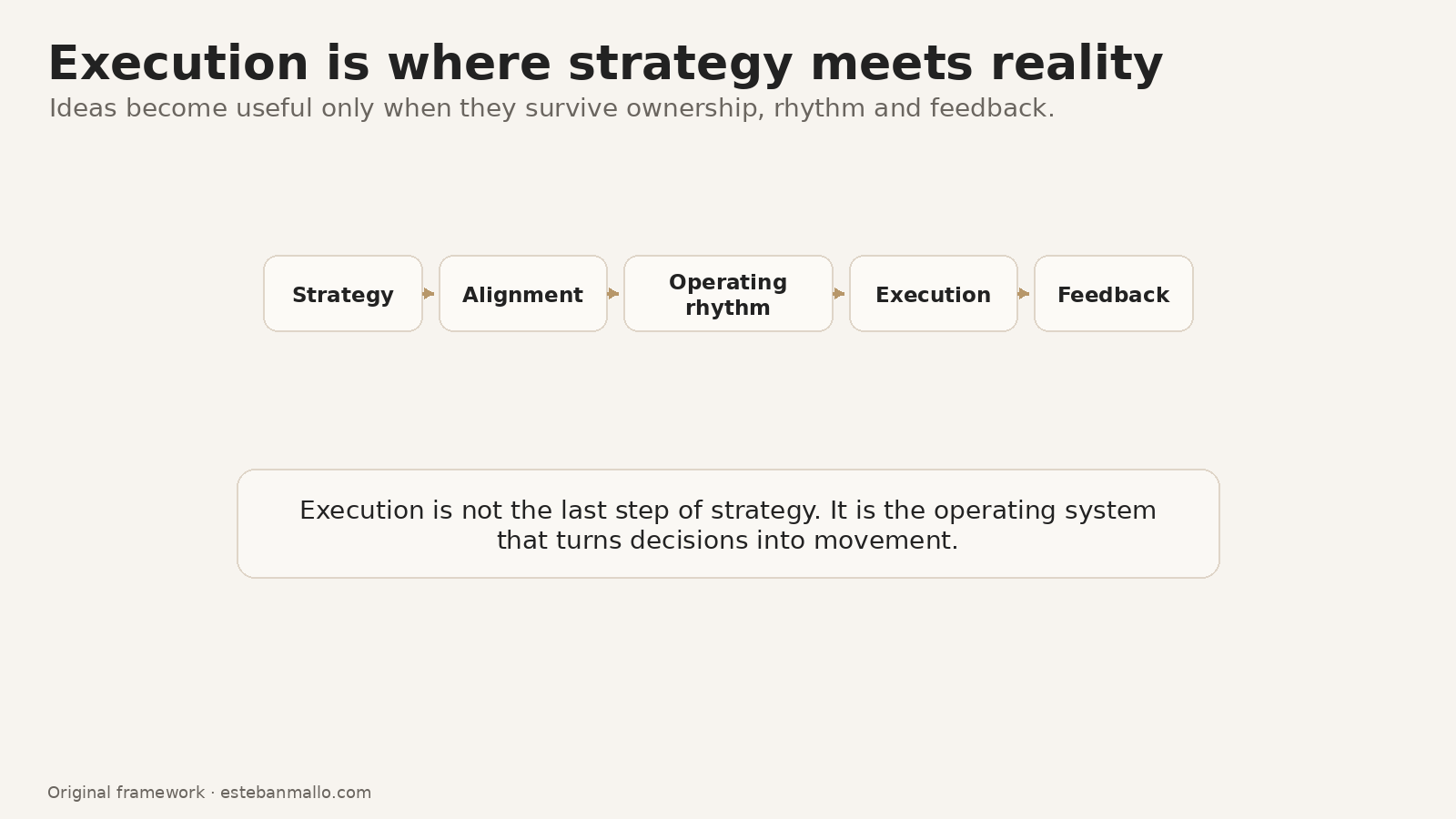
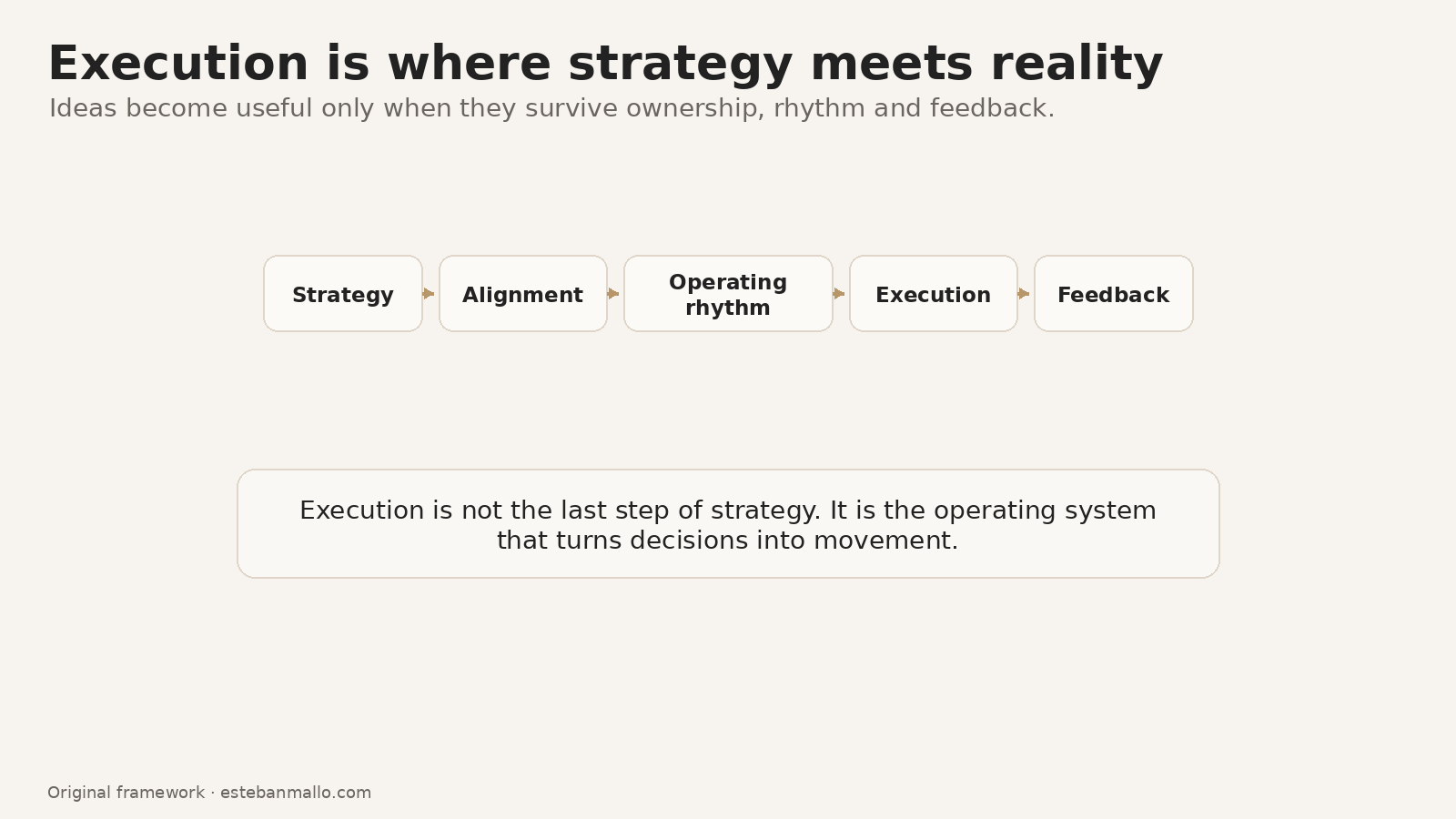
Execution is often treated as the final step of strategy. In reality, it is where strategy meets the real world. A company can define priorities, align teams and build presentations. None of that guarantees movement. Execution depends on ownership, rhythm, follow-through and feedback. Many organizations are not short of ideas. They are short of operating … Read more

Why AI needs experienced business judgment

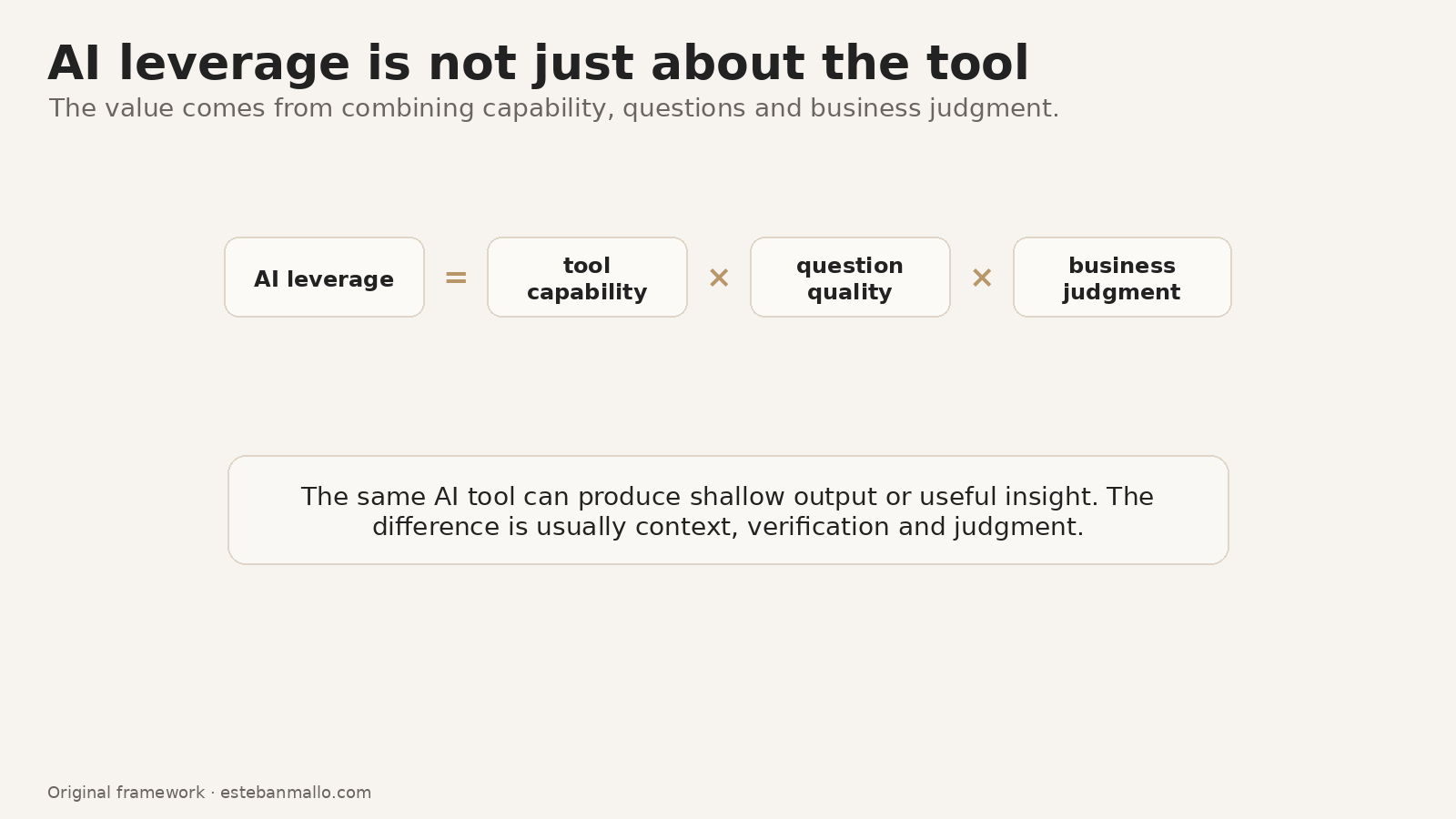
AI is often presented as a productivity tool. That is true, but it is also incomplete. AI can help write, summarize, classify, forecast, structure and automate. But in business, the value of AI still depends heavily on the quality of the judgment behind it. A less experienced professional may use AI to generate more material. … Read more

Why execution is becoming a senior leadership advantage

Execution used to be treated as the final step of strategy. Today, it is becoming a senior leadership advantage. Many organizations do not suffer from a lack of ideas. They suffer from a lack of translation: the gap between decisions and movement, between intention and follow-through, between strategy and operating reality. Execution at senior level … Read more